
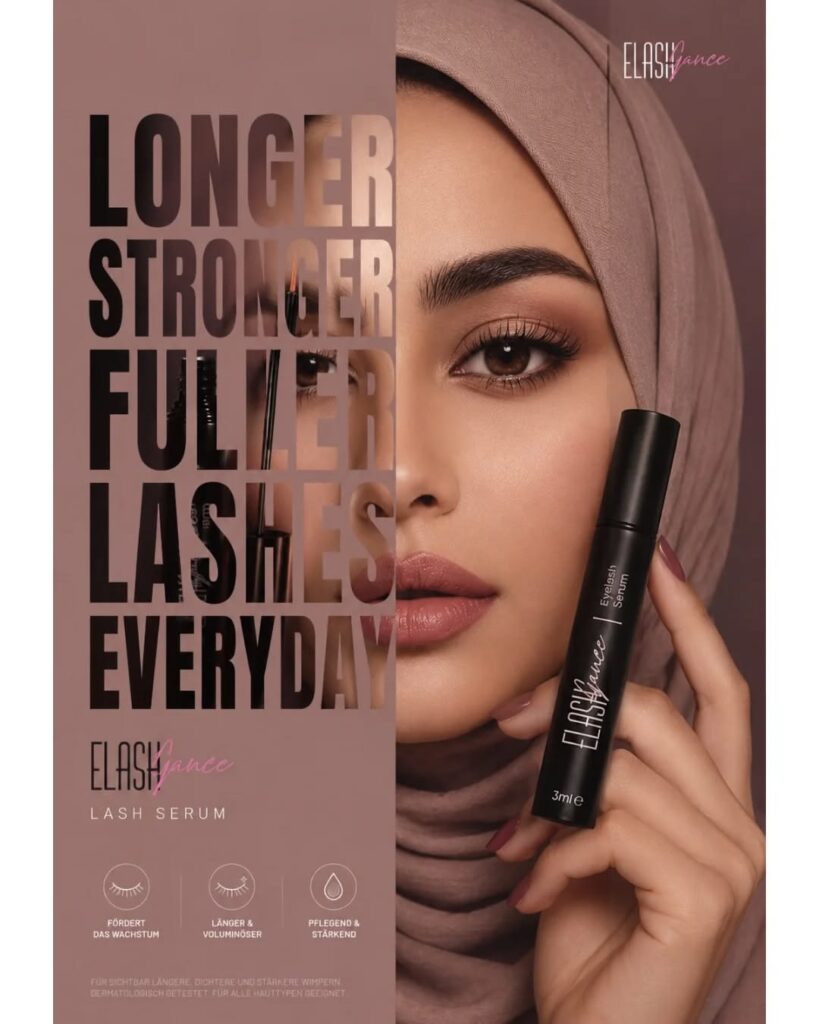
Eyelash serums are topical cosmetic or pharmaceutical formulations applied to the lash line to enhance the length, thickness, and density of natural eyelashes. They work by delivering active biologically active molecules or deeply hydrating ingredients directly to the hair follicles.
How Eyelash Serums Work
Eyelashes go through a natural growth cycle consisting of three stages: Anagen (active growth), Catagen (transition), and Telogen (resting/shedding). Serums typically fit into two categories that influence this cycle differently:
- Growth-Promoting Serums: These products actively extend the duration of the Anagen growth phase. By lengthening this window, the lashes are biologically allowed to grow longer and thicker than they would under standard genetic limits.
- Conditioning Serums: These formulas do not alter the hair growth cycle. Instead, they coat the existing lashes with nutrients, proteins, and moisture to prevent premature breakage and fallout.
Key Product Categories & Ingredients
When selecting a lash serum, evaluating the ingredient list determines both the product’s effectiveness and safety profile.
1. Prostaglandin Analogs.
These are powerful chemical compounds structurally similar to hormone-like substances. Originally used in glaucoma medication, they are the most effective agents for accelerating drastic lash growth.
- Prescription Option: Latisse contains 0.03% Bimatoprost, the only FDA-approved drug for treating sparse eyelashes.
- Over-the-Counter Options: Products like Grande LASH-MD use synthetic variants such as isopropyl cloprostenate to deliver similar quick-acting length.
2. Peptides and Vitamins (PGA-Free)
These alternatives use nourishing protein chains to fortify the lash root naturally. They are much gentler and pose minimal side-effect risks.
- Key Ingredients: Look for biotin, panthenol (Vitamin B5), hyaluronic acid, and amino acids to stimulate structural keratin.
- Popular Formulations: Plant-based and peptide serums focus on thickening and hair retention.
- Best Practices for Application
- To achieve the best results and safely protect your eyes, always adhere to strict application guidelines:
- Cleanse Thoroughly: Ensure the eye area is completely clean, dry, and free of makeup or skin creams before applying.
- Apply with Precision: Use the fine-tipped applicator brush to draw a single, thin stroke strictly along the skin at the base of the upper eyelashes (similar to applying liquid eyeliner).
- Do Not Apply to Lower Lashes: Applying serum directly to lower lashes causes the product to pool in the tear trough during sleep, sharply increasing the risk of chemical irritation and fat loss.
- Maintain Consistency: Results are cumulative and usually take 4 to 12 weeks to visibly manifest. If you completely stop using the serum, your lashes will eventually shed and revert back to their original genetic length.
- Are you considering a lash serum to fix breakage from extensions, or are you trying to treat genetically sparse lashes? Let me know your main goal so I can suggest a formula class that aligns with your routine.
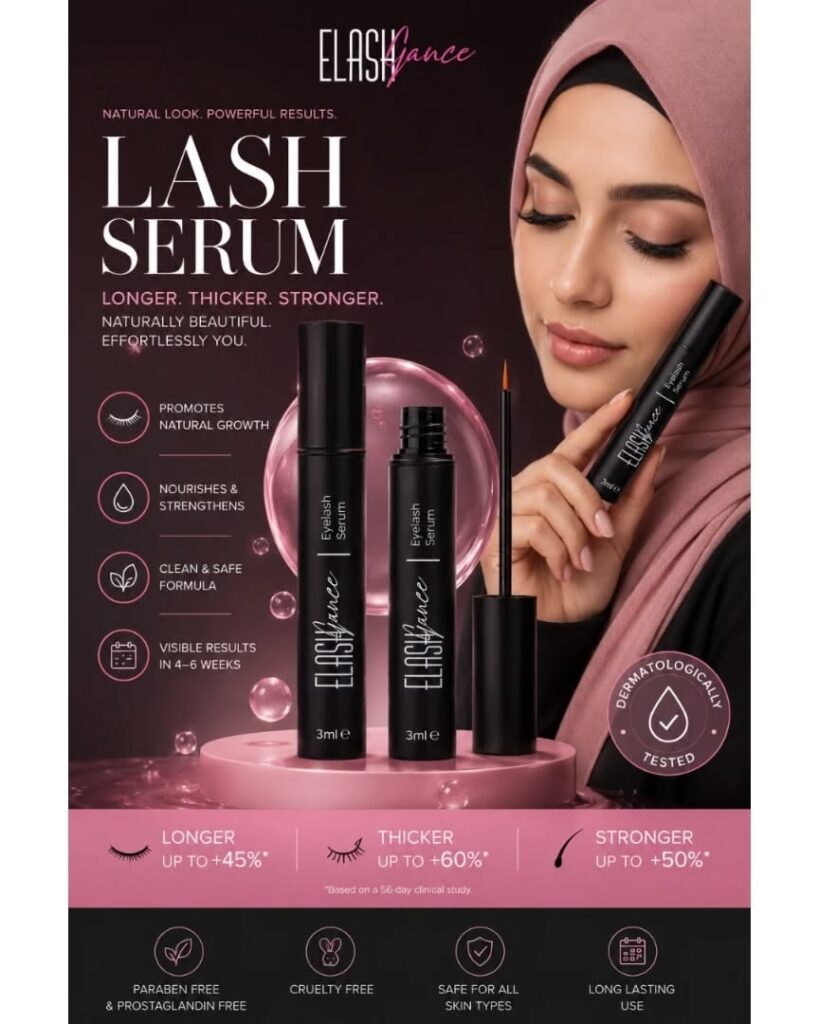
Longer lashes, lasting damage? What to know about lash serums
Longer, darker lashes are having a moment. For those avoiding the risk or expense of lash extention, serums can seem like a safer, more affordable option. But not all lash serums are created equal – and some come with hidden side-effects.
The key difference lies in the ingredients. Some lash serums use conditioning agents like peptides or plant oils, while others contain powerful pharmaceutical ingredients originally developed for treating eye disease.
In 2001, a new medication called bimatoprost was approved to treat glaucoma and ocular hypertetion – two conditions involving pressure buildup inside the eye that can damage the optic nerve and cause vision loss.
Unlike earlier treatments, bimatoprost worked well for patients who hadn’t responded to other drugs, had fewer systemic side effects (effects on the whole body rather than just the eye) and required less frequent dosing than some other drops.
But doctors soon noticed something unexpected: their patients’ eyelashes were growing longer, thicker and darker.
Researchers still don’t fully understand how bimatoprost stimulates lash growth, but it appears to extend the anagen phase – the active growth phase – of the lash life.
In 2008, the same drug (now marketed as Latisse) was approved by the US Food and Drug Administration (FDA), the federal agency responsible for evaluating the safety and effectiveness of drugs and medical devices, to treat eyelash hypotrichosis, a condition where eyelashes are sparse or missing.
It was initially prescribed for people who had lost their lashes due to chemotherapy, alopecia areata (an autoimmune disorder causing hair loss), or trichotillomania (a compulsive hair-pulling condition).
Extensive research shows that bimatoprost is effective making longer,thicker and harder with noticeable results after 16 weeks of daily use.
Longer, darker lashes are having a moment. For those avoiding the risk or expense of lash extensions, serums can seem like a safer, more affordable option. But not all lash serums are created equal – and some come with hidden side-effects.
The key difference lies in the ingredients. Some lash serums use conditioning agents like peptides or plant oils, while others contain powerful pharmaceutical ingredients originally developed for treating eye disease.
In 2001, a new medication called bimatoprost was approved to treat and two conditions involving pressure buildup inside the eye that can damage the optic nerve and cause vision loss.
Unlike earlier treatments, bimatoprost worked well for patients who hadn’t responded to other drugs, had fewer systemic side effects (effects on the whole body rather than just the eye) and required less frequent dosing than some other glaucoma drops.
But doctors soon noticed something unexpected: their patients’ eyelashes were growing longer, thicker and darker.
Researchers still don’t fully understand how bimatoprost stimulates lash growth, but it appears to extend the anagen phase – the active growth phase – of the lash life cycle.
In 2008, the same drug (now marketed as Latisse) was approved by the US Food and Drug Administration (FDA), the federal agency responsible for evaluating the safety and effectiveness of drugs and medical devices, to treat eyelash hypotrichosis, a condition where eyelashes are sparse or missing.
It was initially prescribed for people who had lost their lashes due to chemotherapy, alopecia areata (an autoimmune disorder causing hair loss), or trichotillomania (a compulsive hair-pulling condition).
Extensive research shows that bimatoprost is effective at making lashes longer, thicker and darker, with noticeable results after 16 weeks of daily use. But the results are temporary: once you stop using it, your lashes return to their natural growth cycle.
Leave a Reply